
How to Source Products from China for the Bangladesh Market
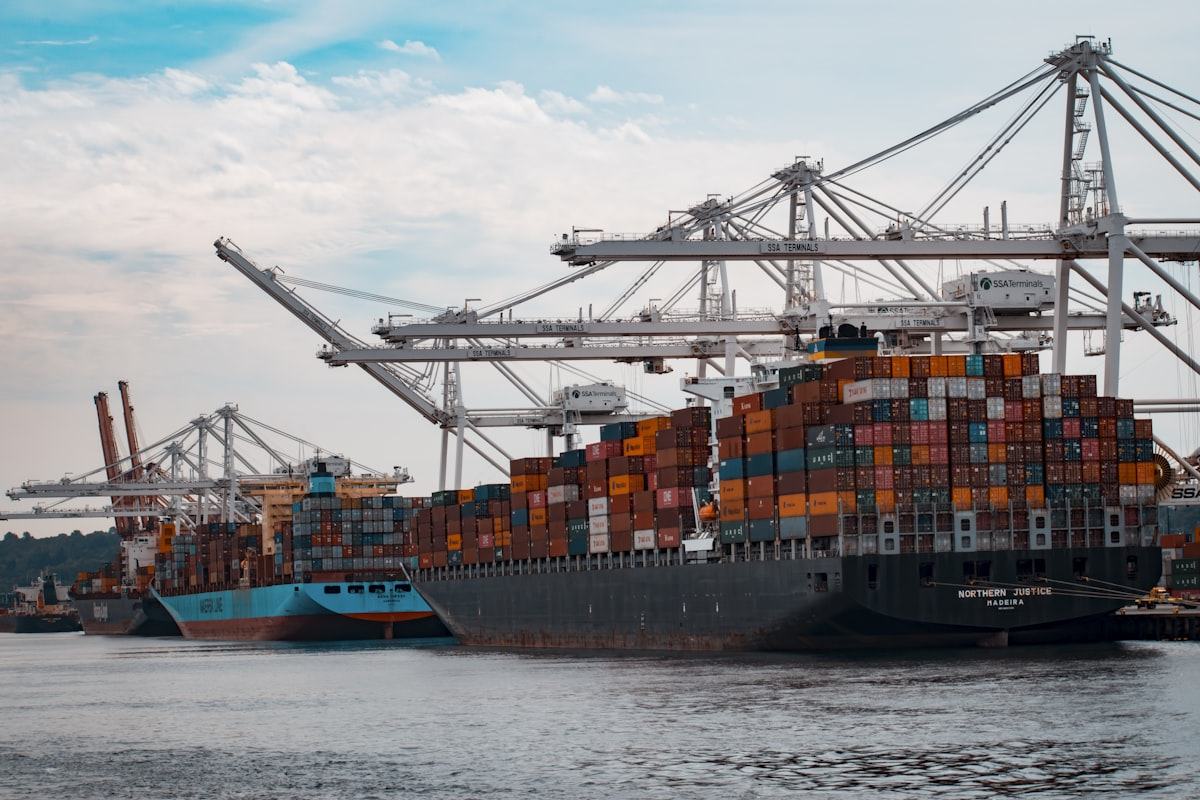
A practical walkthrough of the sourcing cycle — from writing a specification that factories can actually quote against, to landing inspected cargo in Dhaka.
Most importers do not lose money on the unit price. They lose it on the gap between what they thought they ordered and what actually arrived in the container. Closing that gap is what structured sourcing is for.
Start with a specification, not a price
A supplier cannot quote accurately against "good quality" or a photo from a marketplace listing. Before you contact anyone, write down what you actually need.
- Material, dimensions, weight and finish
- Packaging: inner box, master carton, labelling requirements
- Certification or documentation your buyer or customs will require
- Target quantity for the first order and expected repeat volume
- The maximum landed cost that still leaves you a viable margin
A written specification does two things. It lets several suppliers quote against the same brief so the comparison is fair, and it becomes the reference document if the goods that arrive are not what was agreed.
Understand who you are actually buying from
The single most common mistake is not knowing whether you are talking to a factory or a trading company. Neither is inherently wrong, but they behave differently.
- A factory typically offers better pricing at volume and more control over customisation, but may have a higher minimum order quantity and a narrower product range.
- A trading company can consolidate multiple products and handle smaller orders, but adds a margin and one more layer between you and production.
Ask directly. Ask for the business licence. Ask which products they actually produce in-house versus which they buy in. A supplier that answers these questions clearly is usually one worth continuing with.
Compare quotations properly
A quotation is not just a unit price. When you compare offers, normalise them first.
- Is the price EXW, FOB or CIF? These are not comparable numbers.
- Does it include packaging, printing plates and tooling, or are those separate?
- What is the minimum order quantity, and what happens to the price at the next volume tier?
- What are the payment terms, and what is the production lead time after payment clears?
The cheapest FOB price often becomes the most expensive landed cost once tooling, freight and rework are added.
Always order a sample
A pre-production sample is the cheapest insurance available in this business. Approve it in writing, keep it, and require that bulk production matches it. If a supplier resists producing a sample, that resistance is itself useful information.
Inspect before you pay the balance
Pre-shipment inspection is where most avoidable losses are prevented. Checking quantity, specification, workmanship and packing against the approved sample takes a day. Discovering the same problems after the container lands in Chattogram takes months to resolve, if it can be resolved at all.
Plan the logistics early, not last
Shipping mode changes your cost structure and your cash cycle. Sea freight is far cheaper per unit but ties up capital for weeks longer. Air freight makes sense for high-value, low-weight goods or for a first order you want in market quickly. Decide this before production ends, not after.
The short version
Write the specification. Verify the supplier. Compare like with like. Approve a sample. Inspect before shipment. Plan the freight early. Every serious importing operation runs on some version of that sequence — and the ones that skip steps are usually the ones with warehouses full of stock they cannot sell.
 WeChat ID: vibrantsino